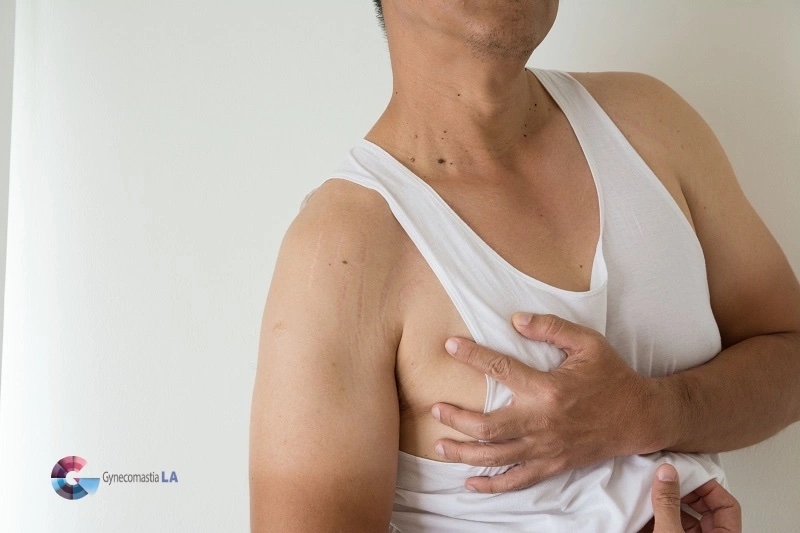
Pain in the male nipple can be alarming, but in most cases it is caused by benign and treatable conditions. Still, certain symptoms—such as bleeding, persistent crusting, a fixed lump, or purulent discharge—should be evaluated urgently to rule out rare but serious disease. GynecomastiaLA, a Los Angeles clinic focused on male chest and nipple disorders, has released a structured, evidence-informed overview of the most common causes of nipple pain in men, how specialists confirm the diagnosis, and what treatment typically looks like.
Why Male Nipples May Hurt When Touched
Specialists note that nipple pain in men usually falls into one of several categories: hormonal tissue changes (gynecomastia), medication or substance effects, infection or inflammation, skin conditions, trauma and friction, or chest-wall/nerve-related pain that “refers” to the nipple region.
Top Evidence-Based Causes of Male Nipple Pain
1) Gynecomastia (benign glandular enlargement under the nipple/areola). Gynecomastia is a growth of glandular tissue in males related to hormonal shifts (increased estrogen effect or decreased androgen action). As this glandular tissue enlarges—especially during adolescence, medication changes, or rapid growth—it can become tender to touch. How it’s diagnosed: focused exam (firm tissue beneath the nipple/areola), selective hormone testing, and ultrasound when the picture is unclear. Typical management: addressing triggers (hormonal or medication-related), short-term pain control (often NSAIDs), and monitoring. Persistent, bothersome, or asymmetric cases may be treated surgically—commonly via liposuction with or without direct gland excision.
2) Medication- or substance-related tenderness A range of medications and substances can contribute to nipple-area tenderness by shifting hormone balance or stimulating glandular change. Examples include anti-androgens, estrogens, certain antipsychotics, spironolactone, and anabolic-androgenic steroids. What to do: review current and recent medications and supplements with a clinician. Symptoms may improve when the offending agent is stopped or substituted under medical guidance.
3) Infection, mastitis, or abscess (needs prompt care) Men can develop nipple/areola infections or deeper soft-tissue infection in the chest region, which may cause localized pain, swelling, warmth, redness, drainage, and sometimes fever. Diagnosis & treatment: clinical exam and ultrasound to look for fluid collections; antibiotics are common, and abscesses may require drainage. Early intervention reduces complications.
4) Dermatitis, eczema, or contact allergy Soaps, topical products, clothing dyes, friction, or perspiration can inflame nipple/areola skin, causing itching, burning, flaking, or painful rawness. Management: avoid triggers, use emollients, and consider short-course topical corticosteroids. Recurrent or unclear cases may warrant dermatology evaluation.
5) Paget disease or male chest cancer involving the nipple (rare but critical to rule out) While uncommon, malignancy must be considered when symptoms include persistent unilateral crusting, erosion, bleeding, bloody discharge, or a suspicious fixed lump. When to act: these findings require prompt medical assessment with diagnostic imaging (often mammogram and/or ultrasound) and possible biopsy.
6) Trauma, friction, and exercise-related irritation Running-related chafing, direct impact, or repetitive friction can injure nipple skin and cause tenderness or bruising. Management: rest, protective clothing, barrier ointments (e.g., petrolatum), and time. A lump or bruise that persists for several weeks should be assessed.
7) Hidradenitis suppurativa and follicular/apocrine disorders Inflammatory nodules near the areola can mimic deeper tissue pain and may recur. Management: coordinated dermatology care (medical therapy) and procedural/surgical options for chronic disease.
8) Neuropathic or chest-wall pain (e.g., costochondritis) Not all “nipple pain” originates in nipple tissue. Rib cartilage inflammation or nerve irritation can refer pain to the nipple area, often burning or sharp. How it’s distinguished: reproducibility with movement/palpation and pattern along nerve distribution; treatment targets the underlying cause (NSAIDs, physical therapy, or neuropathic agents).
9) Ductal problems and intraductal lesions Although more common in women, men may have ductal pathology behind the nipple that causes localized tenderness or discharge. Workup: targeted imaging and selective surgical management when indicated.
10) Endocrine or metabolic conditions Liver disease, thyroid disorders, testicular conditions, or hormone-secreting tumors can drive gynecomastia and nipple tenderness. Workup: selective blood tests (testosterone, estradiol, liver/renal panels, hCG, prolactin) when history and exam suggest systemic disease.
How GynecomastiaLA Evaluates Male Nipple Pain
GynecomastiaLA emphasizes a structured, stepwise evaluation designed to quickly separate benign conditions from urgent causes:
-
Comprehensive history: onset, duration, unilateral vs. bilateral symptoms, discharge or skin changes, medication/substance use, trauma, systemic symptoms, and family risk factors.
-
Focused exam: nipple/areola inspection, palpation of underlying tissue, lymph node assessment, and chest-wall reproducibility testing.
-
Point-of-care imaging: diagnostic ultrasound is commonly used to distinguish glandular tissue, fat, fluid collections, or suspicious masses; mammography may be added when malignancy is a concern.
-
Laboratory workup when indicated: targeted hormone and metabolic testing.
-
Biopsy: reserved for suspicious or non-resolving lesions.
Treatment Approach Depends on the Cause
-
If malignancy is suspected: expedited imaging, biopsy, and referral.
-
Gynecomastia-related tenderness: observation, trigger removal, symptom control, and—when persistent or bothersome—definitive surgical options such as liposuction ± gland excision.
-
Infection/abscess: antibiotics ± drainage.
-
Dermatitis/allergy: trigger avoidance and topical therapy.
-
Neuropathic/chest-wall pain: anti-inflammatory care, neuropathic medications, or physical therapy based on diagnosis.
When to Seek Urgent Evaluation
Clinicians recommend prompt assessment if any of the following occur:
-
Persistent pain with no clear explanation
-
Unilateral nipple pain with skin breakdown, crusting, or bleeding
-
Bloody or purulent discharge
-
A rapidly growing or fixed lump
-
Fever, spreading redness, warmth, or worsening swelling
About GynecomastiaLA and Dr. Babak Moein
GynecomastiaLA is a Los Angeles-based clinic specializing in male chest and nipple disorders, including comprehensive evaluation of nipple pain and gynecomastia. Dr. Babak Moein focuses on male chest contouring and gynecomastia surgery with individualized diagnostic workups and treatment plans, including modern liposuction techniques and gland excision when indicated.
For patients in the Los Angeles area concerned about nipple pain, the clinic offers focused evaluation pathways, in-clinic ultrasound coordination, and tailored medical or surgical options based on diagnosis.
Media Contact
Company Name: Gynecomastia Surgery Los Angeles
Contact Person: Gynecomastia Surgeon Dr. Moein
Email: Send Email
Phone: +1(310)861-3799
Address:2080 Century Park East, Suite 501
City: Los Angeles
State: CA
Country: United States
Website: https://gynecomastiala.com/